Software engineered for the field
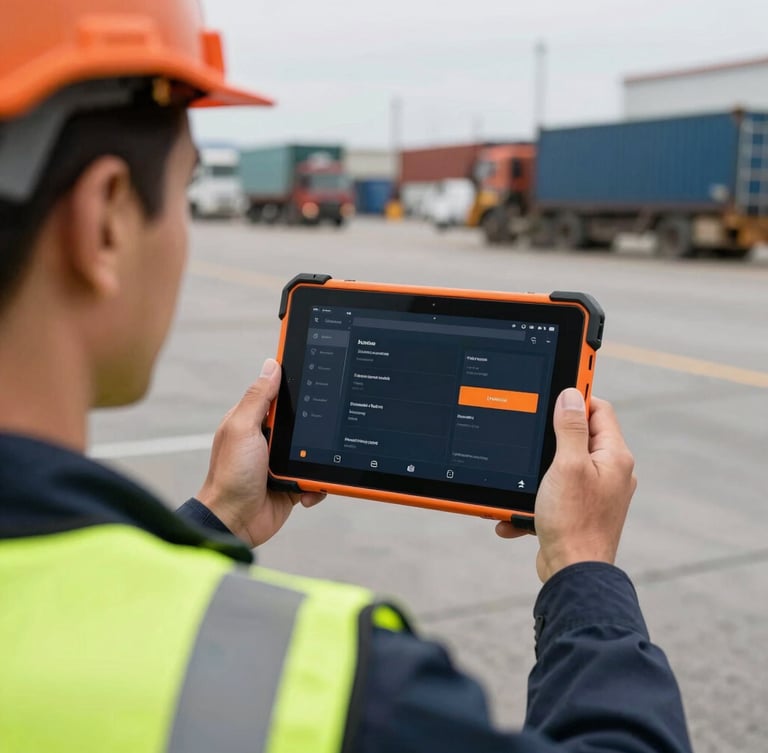
We design native Android applications that survive metal warehouses, remote agricultural fields, and high-glare transit hubs. We write native Kotlin that respects the device's battery, memory, and offline state.
Our engineering stages
Hardware integration
Tactile interface design
Zero-latency stress testing
We map the physical constraints first, targeting specific handheld scanners, thermal cameras, and ruggedized mounting hardware to ensure direct hardware integration.
We construct high-contrast tactile layouts with oversized touch targets, optimized specifically for operators with gloved hands working under intense midday sun.
We simulate extreme network drops and memory constraints directly in active warehouses, ensuring zero-latency performance when connection is lost.
Offline-first routing for field operators.
In the central valley agricultural transit hub, we deployed an offline-first native Kotlin core that reduced sync errors to zero, even inside massive corrugated steel silos where signals cannot penetrate.
Ready for a field-readiness review?
We will review your hardware constraints, offline requirements, and field environment to design a native architecture plan that keeps your operations running.